
In this episode of the Gallery Girl podcast I’m joined by Rachel Dedman, a writer, curator and art historian based in London. Rachel is the Jameel Curator of Contemporary Art from the Middle East at the Victoria and Albert Museum in London. She is also the curator of the current exhibition of Material Power: Palestinian Embroidery at Kettle’s Yard in Cambridge, which will soon be traveling to the Whitworth in Manchester. In addition to all this, she is co-curating the next edition of the State of Fashion Biennale in Arnhem in the Netherlands and has worked on many interesting projects that span the UK, Lebanon and Palestine.
Rachel’s first introduction to a career in art was at just 16 years old through a programme at the Tate Modern called Royal Canvas for young curators, involving young people in curating projects, events and displays within the museum for a young audience. “I spent a few years working at Tate after school”, she explains, “It was that, as well as studying art at school, that made me think I should apply to study History of Art at university.” Speaking specifically about art from the SWANA region, Rachel explains that she was exposed to non-Western art and architecture while studying at Oxford University. “I was really interested in Islamic calligraphy and started learning Arabic and was traveling to that part of the world”, she explains, “That was when I became really interested in making that an academic specialism of mine.”
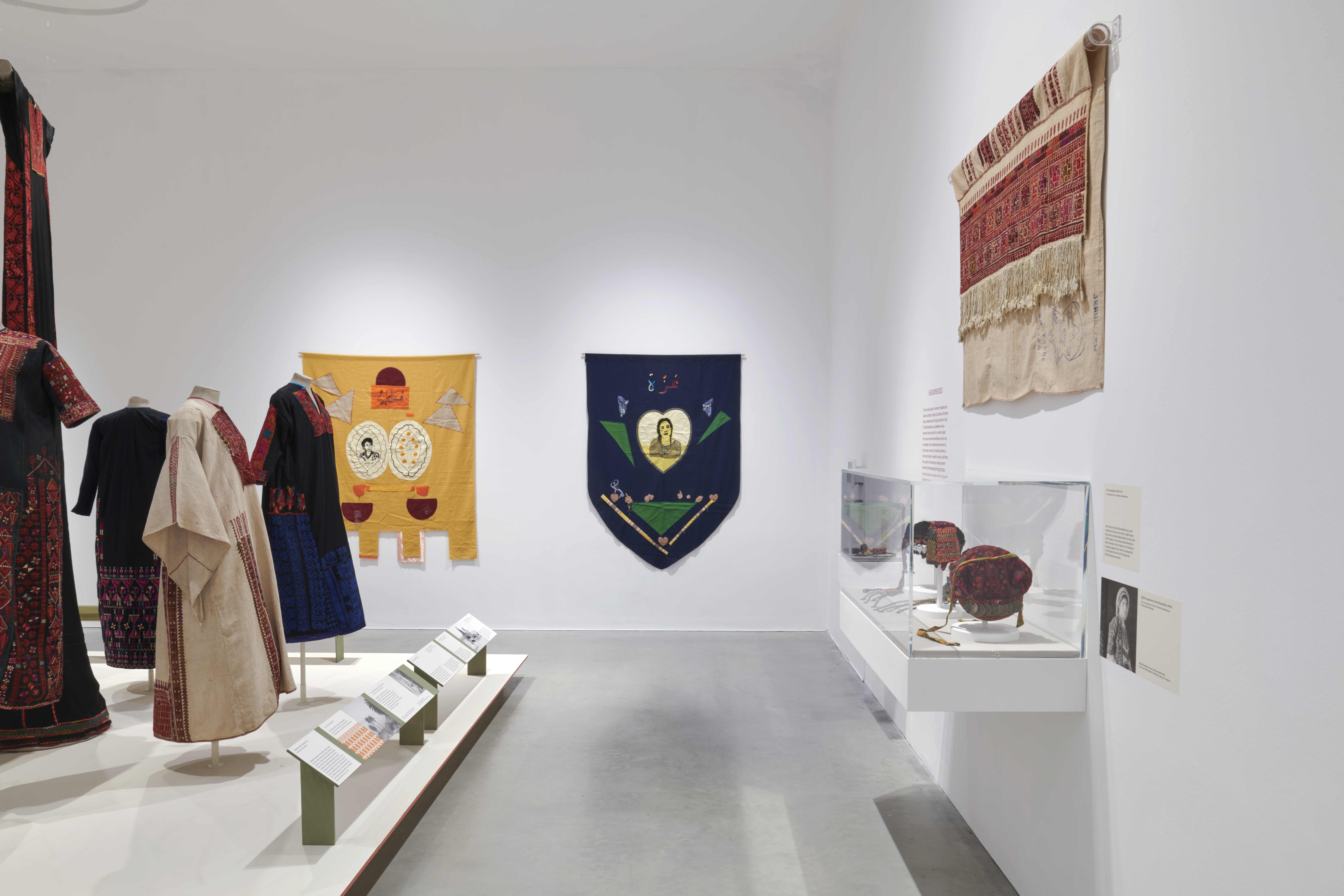
Rachel is particularly known for her work on Palestinian embroidery, which came about when she was approached while working as an independent curator in Lebanon by the then director of the Palestine Museum to work on an exhibition about Palestinian embroidery in Lebanon. “The Palestine Museum which is now in Birzeit in the West Bank, but had not been built at that stage, was looking at what a museum could be beyond national borders”, explains Rachel, “How could the Palestinian Museum serve its communities in the diaspora and globally, and of course Lebanon being a key diasporic hub for Palestinians.” For the exhibition At The Seams: A Political History of Palestinian Embroidery, Rachel worked with the collection of Malak al-Husseini Abdulrahim in Beirut. The show has continued in many iterations, several exhibitions and two books. “I had the privilege of being able to move within the Middle East, to visit Lebanon and Palestine and Jordan and have that travel element to what I did”, she adds. The show then opened as Labour of Love at the Palestinian Museum in Birzeit, going into themes of the economy of embroidery, its relationship to gender and its connection to resistance.

Now, a new exhibition has opened in the UK. “Embroidery in Palestine is more than just a craft or an element of heritage. It is truly fundamental to peoples’ identity and sense of national pride, sense of self, it’s a deeply emotional thing”, she explains, “Doing justice to it feels vital in curating projects about it.” In fact, a political thread has remained strong in all iterations of the show. Now in the UK as Material Power, it has acted as an opportunity to interact with audiences that might not know a lot about Palestine. “[It] underlines the intimate ability that embroidery has to tell the stories of women and to give us insight into how women lived historically”, she says, adding, “[It shows] how embroidery – this quite, humble, seemingly domestic practice – is also crucially connected to acts of resistance, to protest and to these bigger picture political events in Palestine.” For the UK exhibition, Rachel has also included work by contemporary artists in conversation with the historical material. “People are waking up to the fact that embroidery is this articulate, familiar, intimate, critical space for artists to explore the issues that their work is engaging with”, says Rachel, “It’s nice to see that gain more prominence.”
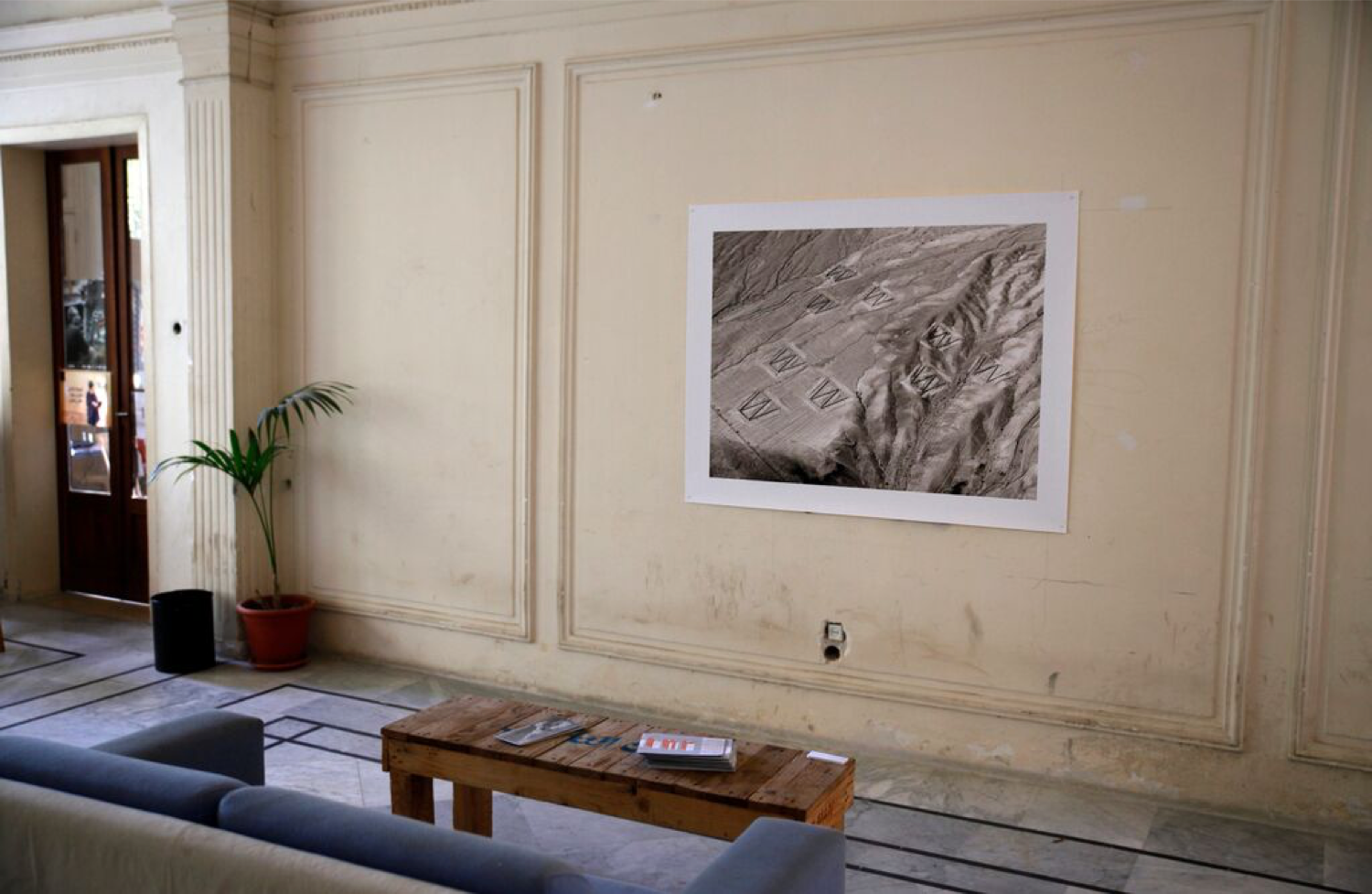
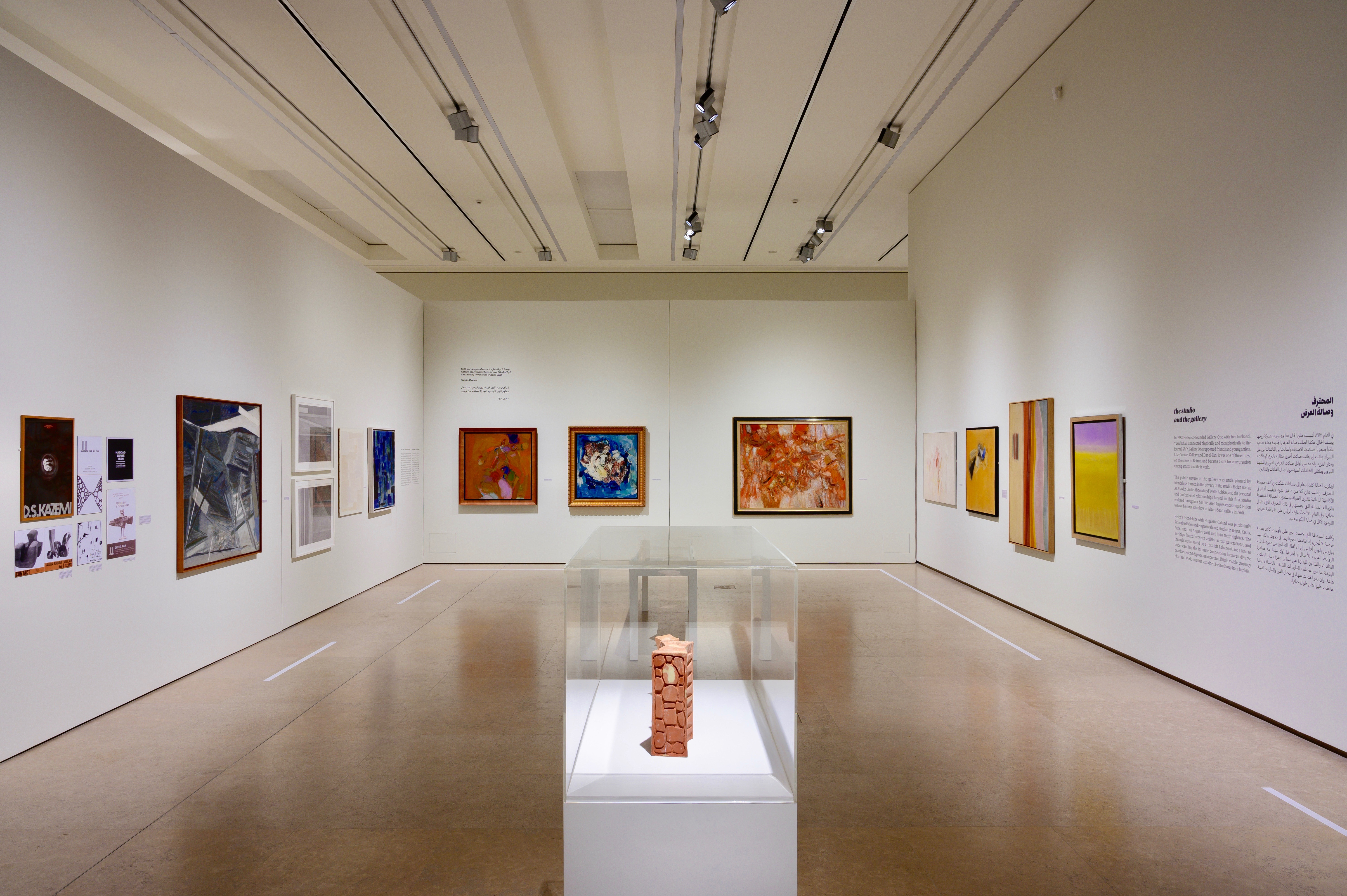
In addition to curating At the Seams, Rachel also worked on a number of other projects while based in Beirut. She first went to Lebanon to be part of the Homeworks programme at Ashkal Alwan, planning to go for two months and staying for six years. Her first project was through a response to an open call with Apex Art, in an exhibition focusing on science fiction within contemporary art in the Middle East. Space Between Our Fingers featured work by Ali Cherry, Larissa Sansour, Khalil Joreige and Joanna Hadjithomas amongst many others and took place across Beirut. Meanwhile, her last project took place at the Sursock Museum through Ashkal Alwan’s Homeworks in 2019. Co-curated with Carla Chammas, At the still point of the turning world, there is the dance, focused on Helen Khal and a group of artists in the 1960s and 70s in Beirut. The show opened the night that the Thawra – protests – began in Lebanon. “The exhibition was open for small pockets of time”, explains Rachel, “Among moments of turbulence and change.”
Now, Rachel is based back in the UK and is a curator at the Victoria and Albert Museum, a position she took on just before Covid. “I was ready for a shift from independent practice into something institutional”, she explains, “I’m interested in contributing to a museum over a long duration to explore what acquisition means when you have this historical collection and you’re building a collection for the future.” Rachel’s role involves curating the Jameel Prize, running events, founding a fellowship programme for artists to have residencies in the Asia department and to initiate new research. “In so many cases what the artists end up exploring informs us, telling us new things about our collection”, explains Rachel, noting that participating artists have included Dima Srouji, Babak Golkar and Nour Hage.
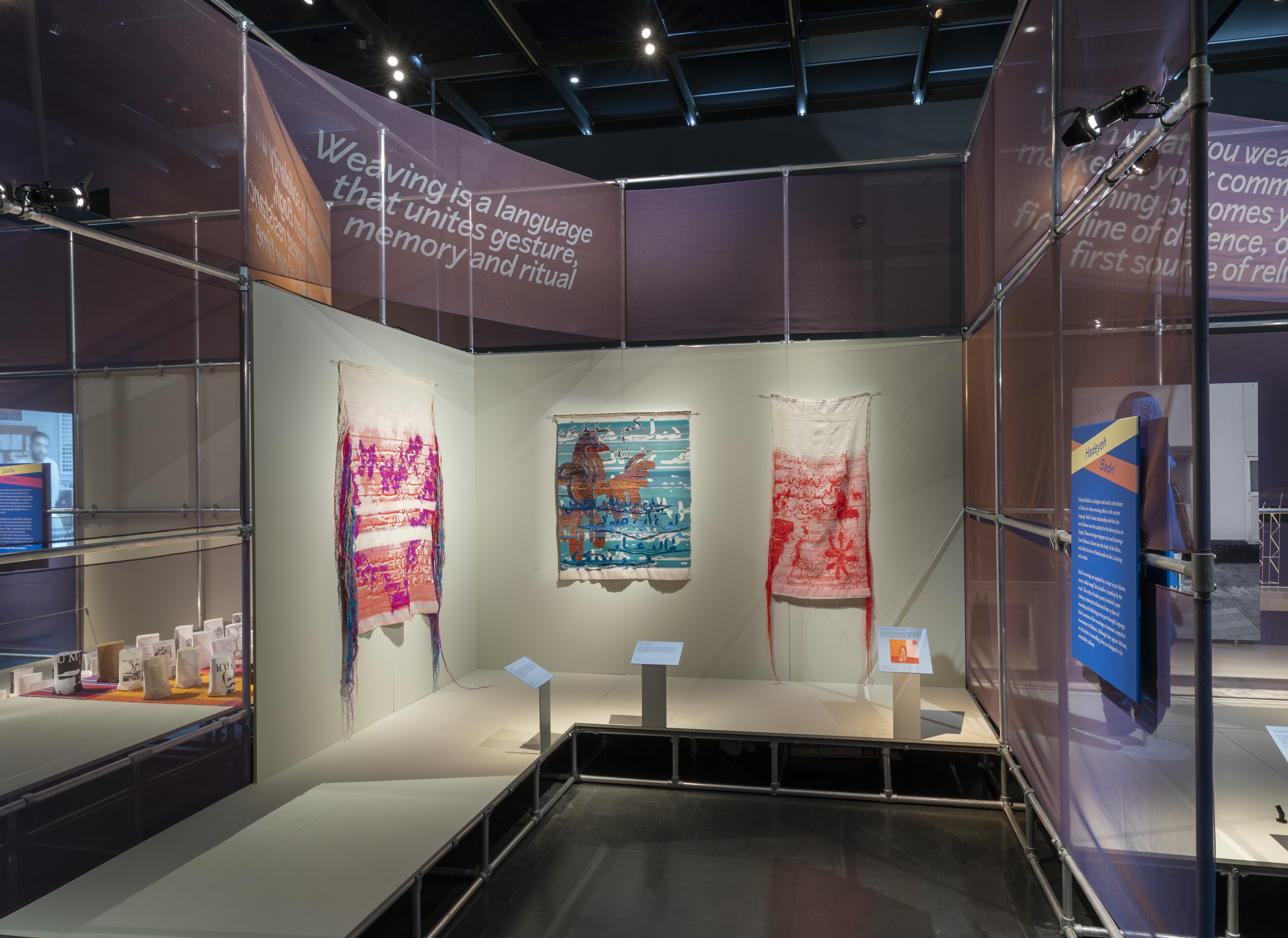
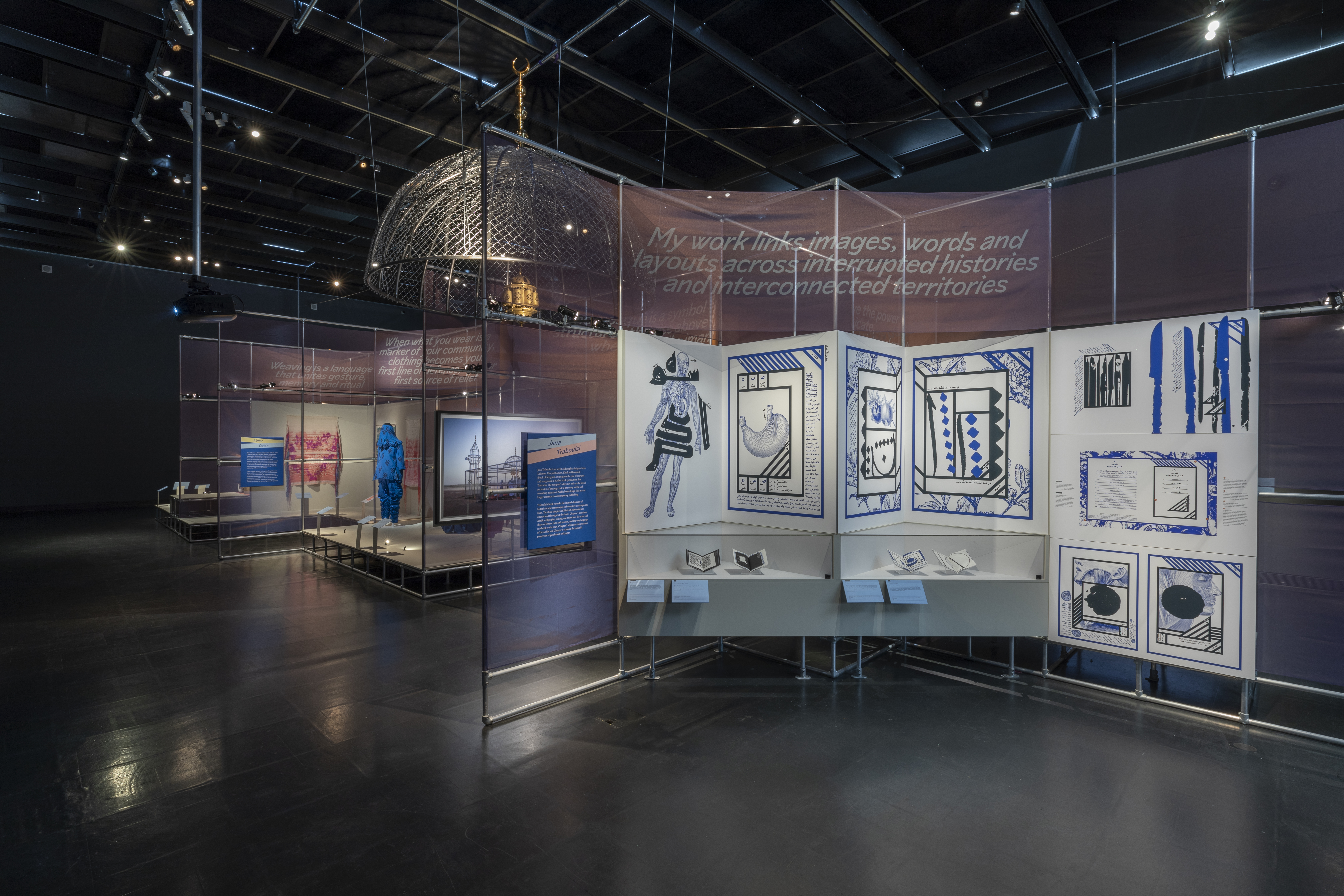
Talking specifically about the Jameel Prize, Rachel explains that for the next iteration – Jameel Prize 7 – applications are welcome from artists engaged with moving image and new media. “We’re really opening to these media that we don’t normally see in the exhibition”, she explains, “We’re also interested in those who are working with handmade or analogue processes that are exploring the impact of new technologies. Like what might wearable tech do to fashion? Or how is craft evolving and innovating in response to these things?” The Jameel Prize – which happens every two years – accepts nominations from artists who engage with some element of Islamic history, culture, art, design, society or ideas.
In addition to all of this, Rachel is also co-curating the State of Fashion Biennale in the Netherlands with fashion designer Louise Bennetts in May 2024. “We proposed an edition that thinks about redistributing resources of the biennial and is a decentralised exhibition and edition”, she says, “We’re having the homesite in Arnhem with a major show, but we’re also inviting interlocutors in three sites globally across the global south to become part of an expanded curatorial team and to run projects in those local contexts.”
So what is next for Rachel? “I’m excited for these next chapters of Material Power and the biennial in May”, she says, “At least the next nine months feel very full and sorted.”
Material Power: Palestinian Embroideries is currently on display at Kettle’s Yard in Cambridge, UK until 29 October. It will then continue at the Whitworth Museum in Manchester, UK between 25 November 2023 and 7 April 2024
The State of Fashion Biennale will take place in Arnhem, Netherlands in May 2024
 gallerygirl.co